Mastery Through Play: When Learning and Gaming Go Hand in Hand

Mastery Through Play: When Learning and Gaming Go Hand in Hand
Gaming has long since moved beyond being a simple pastime. Today, it’s a cultural force, a social connector, and increasingly, a tool for education and personal growth. Across classrooms, workplaces, and even therapy sessions, games are being used to teach, motivate, and inspire. But what is it about gaming that makes it such a powerful medium for learning—and what can it teach us about mastery itself?
Games as Learning Environments
At their core, good games are learning systems. They present players with challenges, allow them to experiment, fail, and try again, and reward them when they succeed. This cycle of trial, feedback, and improvement mirrors the very essence of effective learning. In games, failure isn’t a setback—it’s part of the process.
Educators across the United States are increasingly embracing this idea. From math games that turn equations into puzzles, to historical simulations that let students “live” through key events, to coding games that make programming feel like play—game-based learning transforms abstract concepts into hands-on experiences. Students become active participants rather than passive listeners, and motivation rises when learning feels like discovery.
Motivation and the Flow State
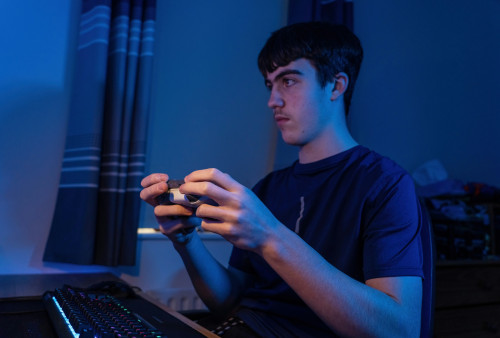
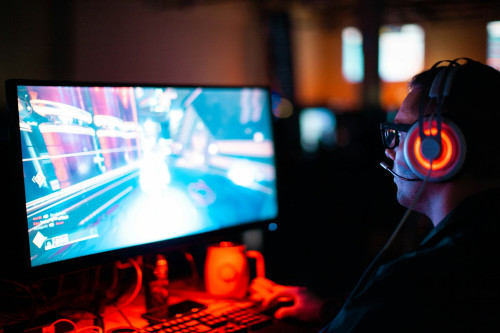
One of the most fascinating aspects of gaming is its ability to create flow—that state of deep focus where time seems to disappear. Games are designed to balance challenge and skill, keeping players engaged but not overwhelmed. It’s in this sweet spot that learning thrives.
When students or adults experience flow in a learning game, they’re driven by curiosity and the desire to master the next level. This intrinsic motivation is far more powerful than external rewards like grades or points. It fosters persistence, creativity, and a genuine love of learning—qualities that extend far beyond the screen.
From Gaming to Real-World Skills
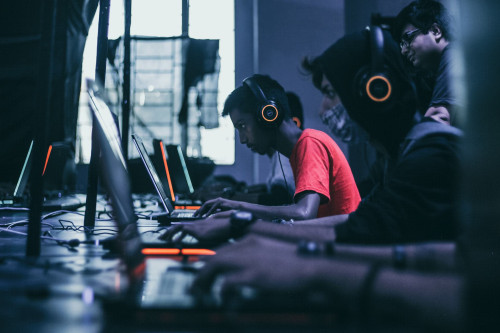
The skills developed through gaming often translate directly into real life. Strategy games sharpen planning and problem-solving abilities. Cooperative games build communication and teamwork. Action games can enhance focus, reaction time, and spatial awareness.
Employers and educators are beginning to recognize these “transferable skills.” A gamer who has led a team in an online strategy game has likely developed leadership, coordination, and decision-making abilities that are valuable in the workplace. In fact, some companies now use game-based assessments to identify candidates with strong cognitive and social skills.
Games in Therapy and Personal Growth
The potential of gaming extends into mental health and personal development as well. Therapists use games to help clients build confidence, manage anxiety, and practice social interaction in a safe environment. For children and teens with developmental or emotional challenges, games can provide a structured yet flexible space to explore and succeed.
There are also games designed specifically to support mental well-being—teaching mindfulness, empathy, or stress management through interactive experiences. In these cases, gaming becomes a tool for reflection and self-understanding, not just entertainment.
Balancing Play and Reality
Of course, balance is key. While gaming can be a powerful source of learning and mastery, excessive screen time can lead to isolation or overstimulation, especially when games become an escape rather than an exploration. The goal isn’t to play more, but to play smarter.
Parents, teachers, and players themselves can benefit from open conversations about what games are being played and why. When gaming is approached intentionally—with an eye toward growth and creativity—it becomes a meaningful part of a balanced life.
Læs også:
A New Perspective on Mastery
Gaming challenges our traditional ideas about how learning happens. Instead of viewing games as distractions, we can see them as laboratories for mastery—places where we learn to handle failure, collaborate, and think strategically. Games remind us that learning doesn’t have to be linear or dull; it can be playful, immersive, and deeply rewarding.
When learning and gaming go hand in hand, we create spaces where curiosity drives progress and mistakes become stepping stones. That’s where true mastery begins—both on the screen and beyond it.
Læs også: