The Evolution of the Shooter Game: From Arcade Classics to Hyper-Realistic Simulations


The Evolution of the Shooter Game: From Arcade Classics to Hyper-Realistic Simulations
From the beeping sounds of 1970s arcades to today’s photorealistic battlefields, shooter games have undergone a remarkable transformation. The genre has not only shaped the history of video games but also influenced technology, culture, and our understanding of interactive entertainment. Let’s take a closer look at how shooters evolved from simple pixel duels to complex simulations that blur the line between game and reality.
The First Shots in the Arcade Era
In the early 1970s, shooter games were among the first major successes in the emerging video game industry. Titles like Space Invaders (1978) and Asteroids (1979) set the standard for how tension and reflexes could combine in a simple yet addictive format. Players faced endless waves of enemies, with one clear goal: survive as long as possible.
These early games were technically primitive, but they introduced core elements that still define the genre today—precision, timing, and escalating difficulty. Arcades became social hubs where players competed for high scores and bragging rights, laying the foundation for gaming as a shared cultural experience.
From 2D to 3D: A New Dimension of Realism
The 1990s marked a turning point. The shift from 2D to 3D changed everything. Games like Wolfenstein 3D (1992) and Doom (1993) established what we now know as the first-person shooter (FPS). For the first time, players could move through three-dimensional environments and experience combat from the protagonist’s perspective.
Technological advances allowed for more detailed worlds, and the rise of networked gaming opened the door to multiplayer battles. Quake (1996) and later Counter-Strike (1999) made online competition a central part of the genre—paving the way for the rise of esports.
Realism, Storytelling, and Emotion
By the 2000s, shooters began to move beyond pure action and into more cinematic and emotional territory. Franchises like Call of Duty and Battlefield combined historical or modern warfare with dramatic storytelling and realistic graphics. These games were no longer just tests of reflexes—they also explored morality, camaraderie, and the human cost of conflict.
At the same time, interest grew in tactical and realistic simulations. Titles like ARMA and Rainbow Six emphasized teamwork, strategy, and authentic weapon handling. It was no longer enough to shoot fast—you had to think like a soldier.
Læs også:



The Technological Revolution: Graphics, Physics, and AI
In recent decades, technology has pushed shooters to the edge of realism. Advanced game engines like Unreal Engine and Frostbite make it possible to render light, shadows, and motion with near-photographic precision. Artificial intelligence has made enemies more unpredictable and lifelike, creating dynamic and challenging encounters.
Virtual reality (VR) has added yet another layer of immersion. In VR shooters, players physically move, aim with their hands, and experience combat in full 360 degrees. It’s an experience that blurs the boundary between simulation and reality, offering a level of presence that was once unimaginable.
From Entertainment to Esports and Cultural Phenomenon
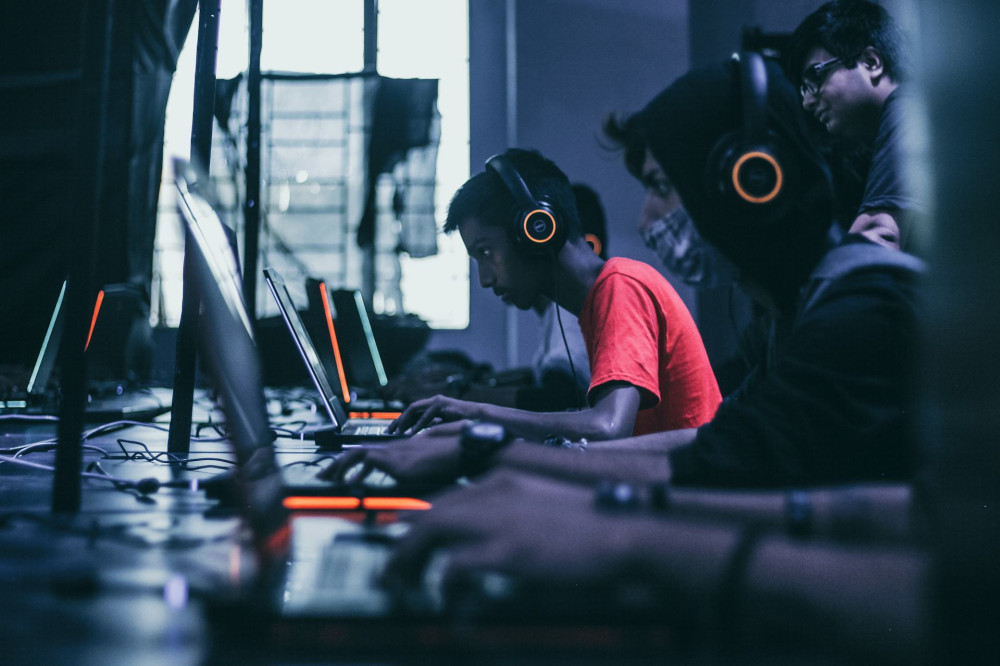
Today, shooter games are far more than a pastime—they’re a cornerstone of popular culture and a professional sport. Tournaments in games like Counter-Strike 2, Valorant, and Overwatch attract millions of viewers worldwide, and professional players achieve celebrity status.
At the same time, the genre has sparked debate—about violence, addiction, and ethics. Yet regardless of opinion, it’s impossible to deny the immense influence shooters have had on gaming technology and digital culture as a whole.
The Future: Simulation, Emotion, and Artificial Intelligence
The future of shooter games points toward even greater realism and deeper emotional engagement. Developers are experimenting with dynamic worlds where player choices shape the story, and where AI opponents learn and adapt to individual playstyles. The line between game and simulation continues to blur—especially in military training and VR-based learning environments.
But perhaps the most significant change isn’t technological—it’s human. Shooter games are increasingly about cooperation, strategy, and community, not just pulling the trigger. A genre once seen as simple entertainment has become a reflection of our time: complex, global, and constantly evolving.
Læs også: